-
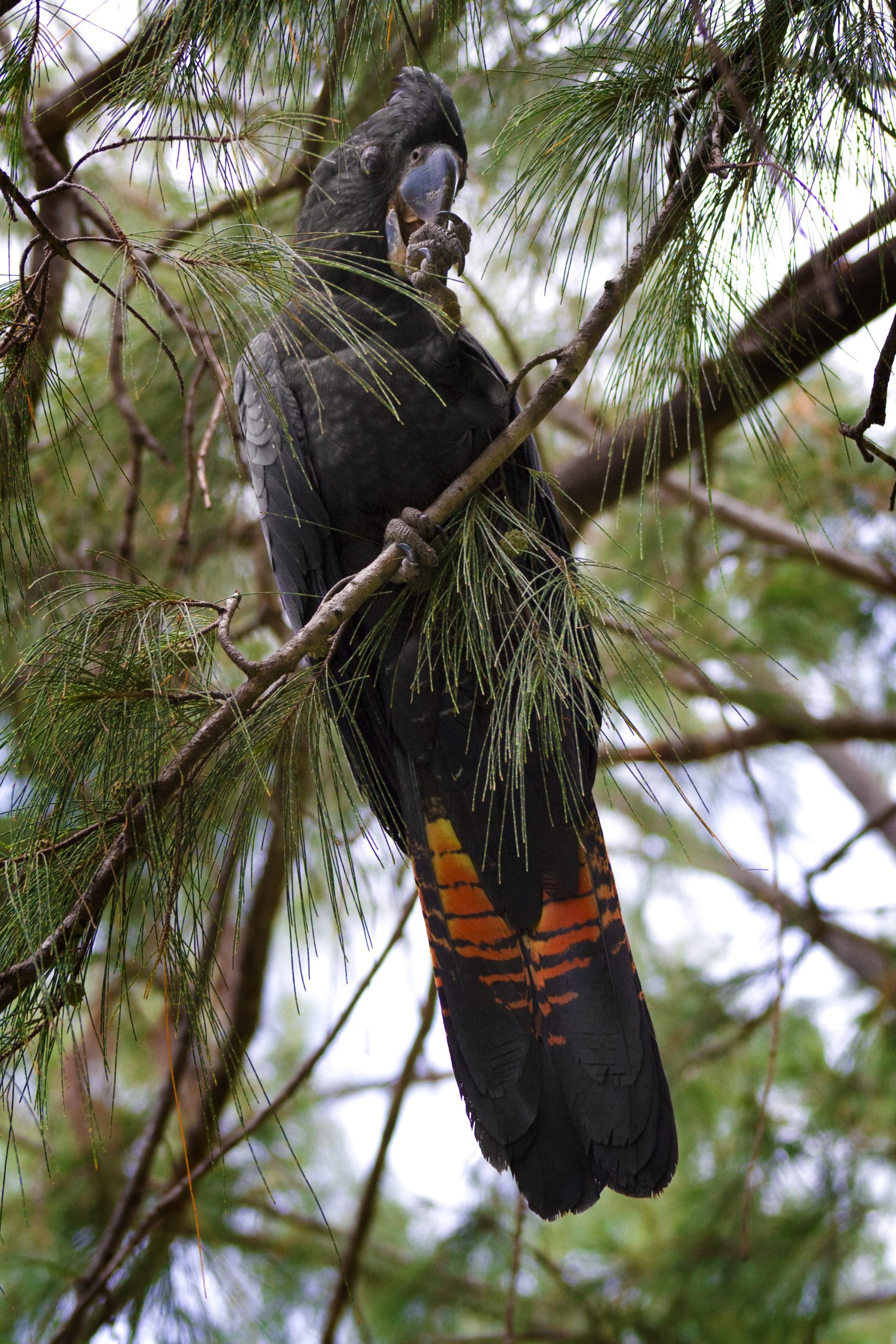
Red-tailed Black Cockatoo (Southern subspecies)
Read more: Red-tailed Black Cockatoo (Southern subspecies)Scientific Name: (Calyptorhynchus banksii graptogyne) A large, noisy bird with a distinctive call (‘karak, karak’) and a crest that can be brought above the head and over the beak.
-

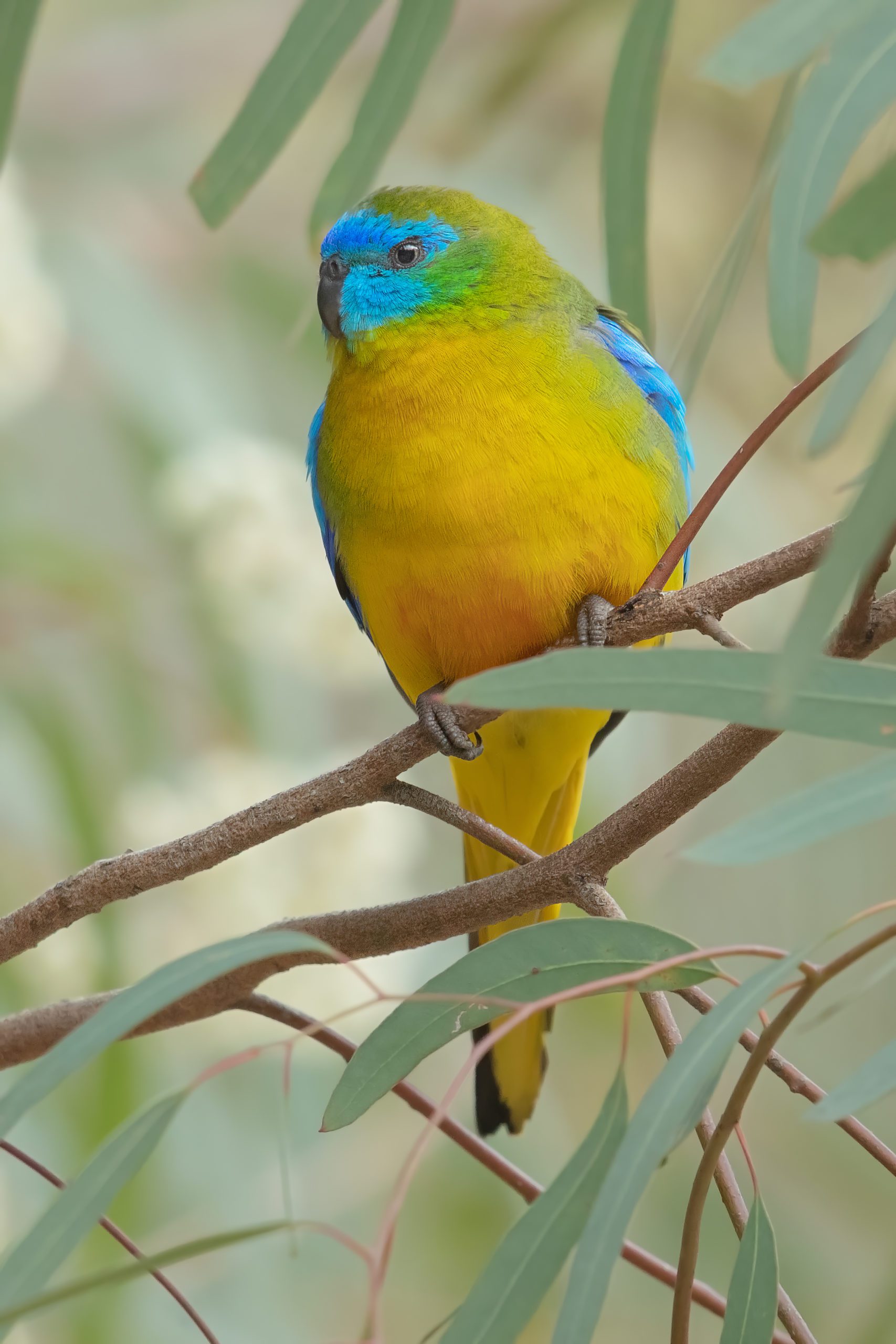
Turquoise Parrot
Read more: Turquoise ParrotScientific Name: (Neophema pulchella) The Turquoise Parrot favours open, grassy woodland with dead trees near permanent water. It also inhabits coastal heaths and pastures with exotic grasses and weeds, along roadsides and in orchards. Did You Know? The female turquoise parrot will sometimes take green foliage into the nest hole to line the floor. These…
-
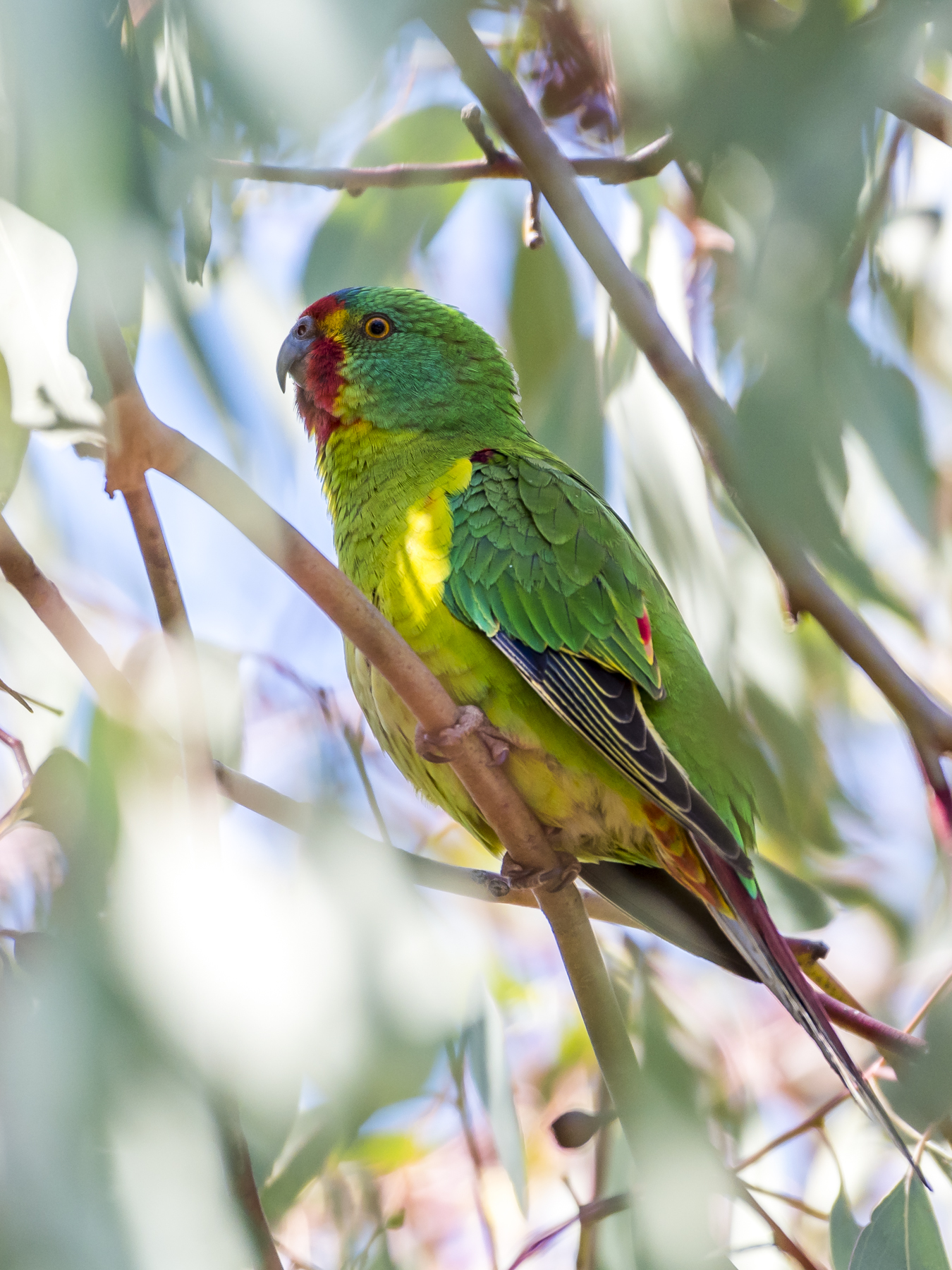
Swift Parrot
Read more: Swift ParrotScientific Name: (Lathamus discolor) Another migrating parrot. Swift Parrots breed only in Tasmania and then fly across Bass Strait to forage on the flowering eucalypts in open box–ironbark forests of the Australian mainland. While on the mainland, they are nomadic, spending weeks or months at some sites and only a few hours at others, determined…
-
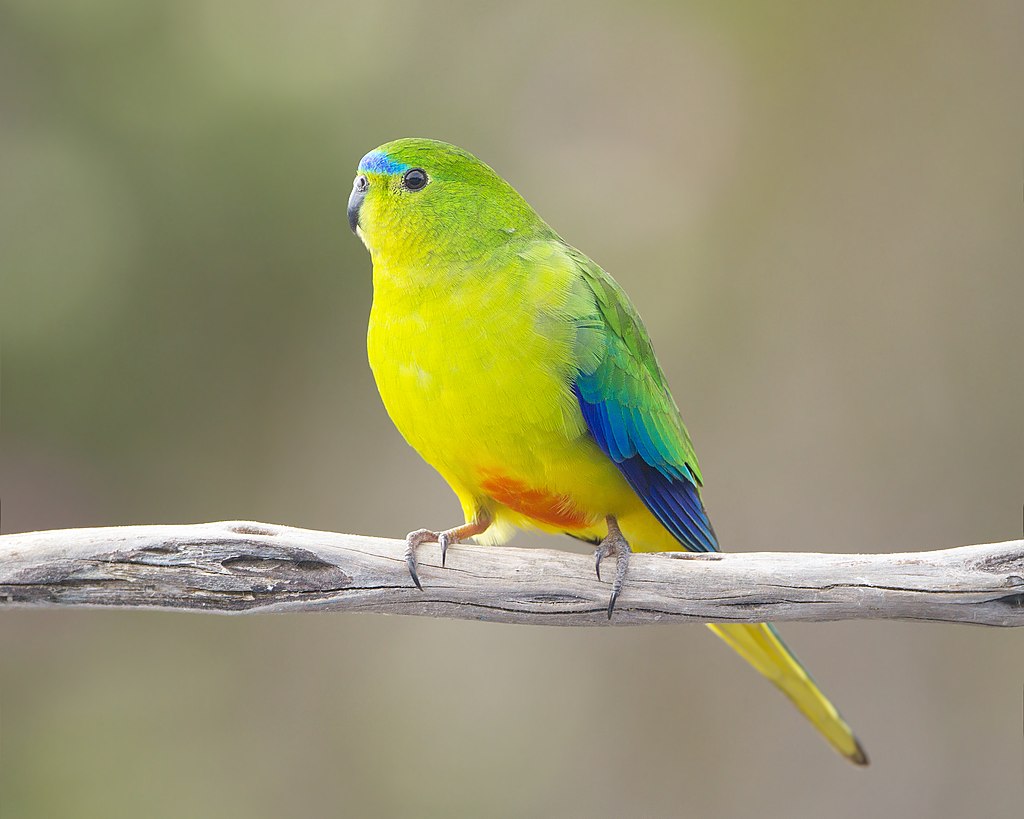
Orange-bellied Parrot
Read more: Orange-bellied ParrotScientific Name: (Neophema chrysogaster) Fascinatingly one of the only parrots in the World that migrates each year between feeding grounds and breeding grounds. The Orange-bellied Parrot breeds only in the South West of Tasmania. After breeding has concluded, most of the population migrates across Bass Strait to spend the winter months on southern mainland Australia.
-
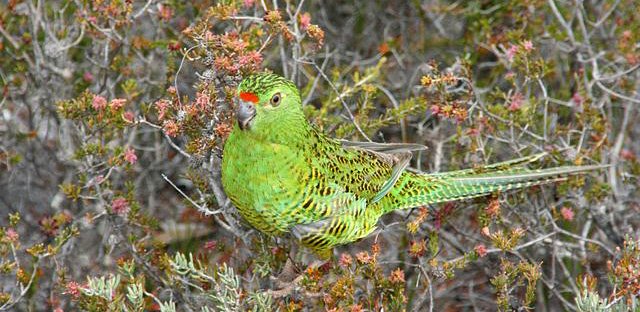
Ground Parrot
Read more: Ground ParrotScientific Name: (Pezoporus wallicus)The Ground Parrot lives mostly in dense coastal and subcoastal heathlands, sedgelands and buttongrass plains, where there is a high diversity of low-growing plants.
-
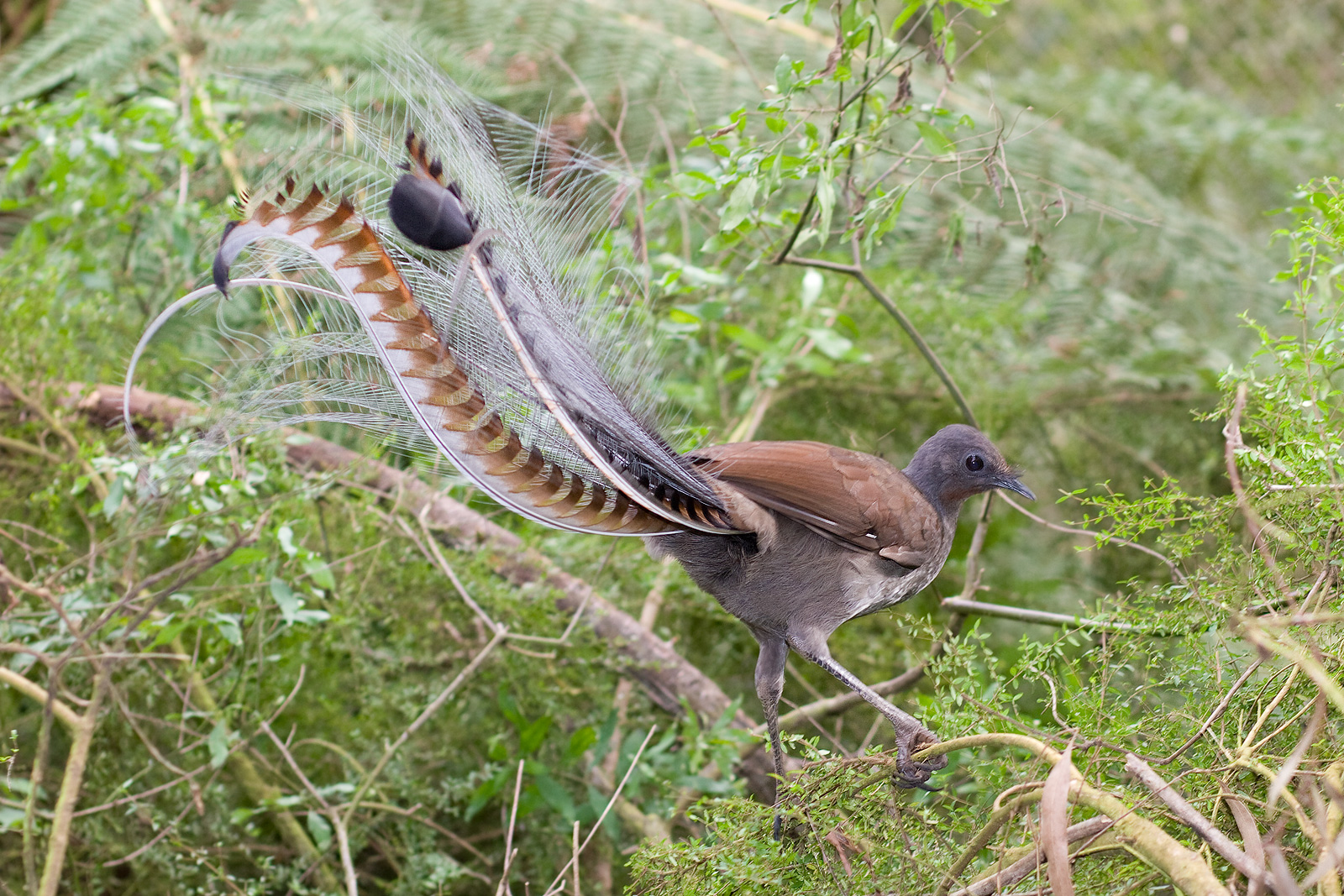
Superb Lyrebird
Read more: Superb LyrebirdScientific Name: (Menura novaehollandiae)The superb lyrebird (Menura novaehollandiae) is an Australian songbird, one of two species from the family Menuridae. It is one of the world’s largest songbirds, and is renowned for its elaborate tail and courtship displays, and its excellent mimicry.
-
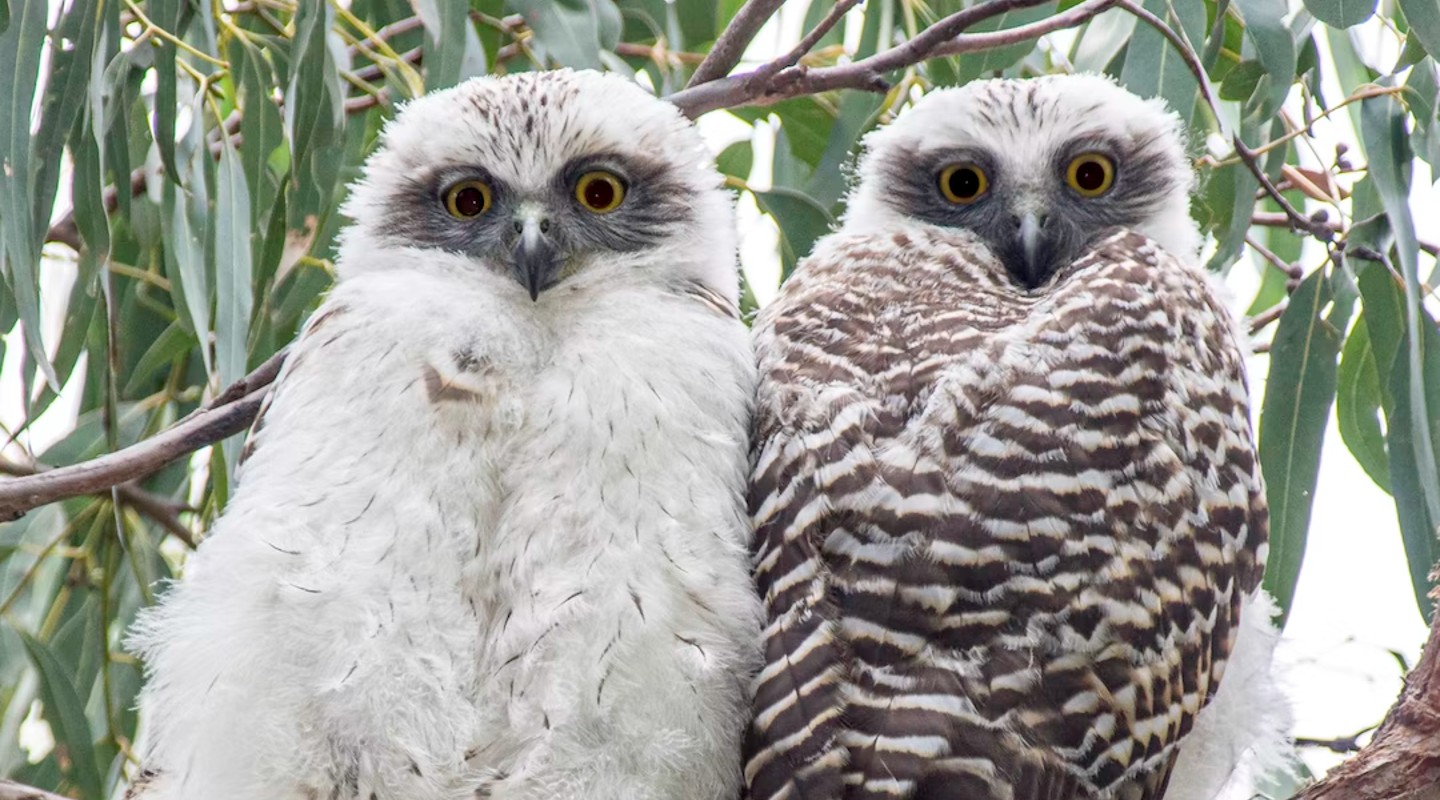
Powerful Owl
Read more: Powerful OwlScientific Name: (Ninox strenua)The largest of Australia’s owls, the Powerful Owl usually inhabits the moist forests of eastern Australia. Its main item of prey is possums of various species, though large bats such as flying foxes are also often caught.
-
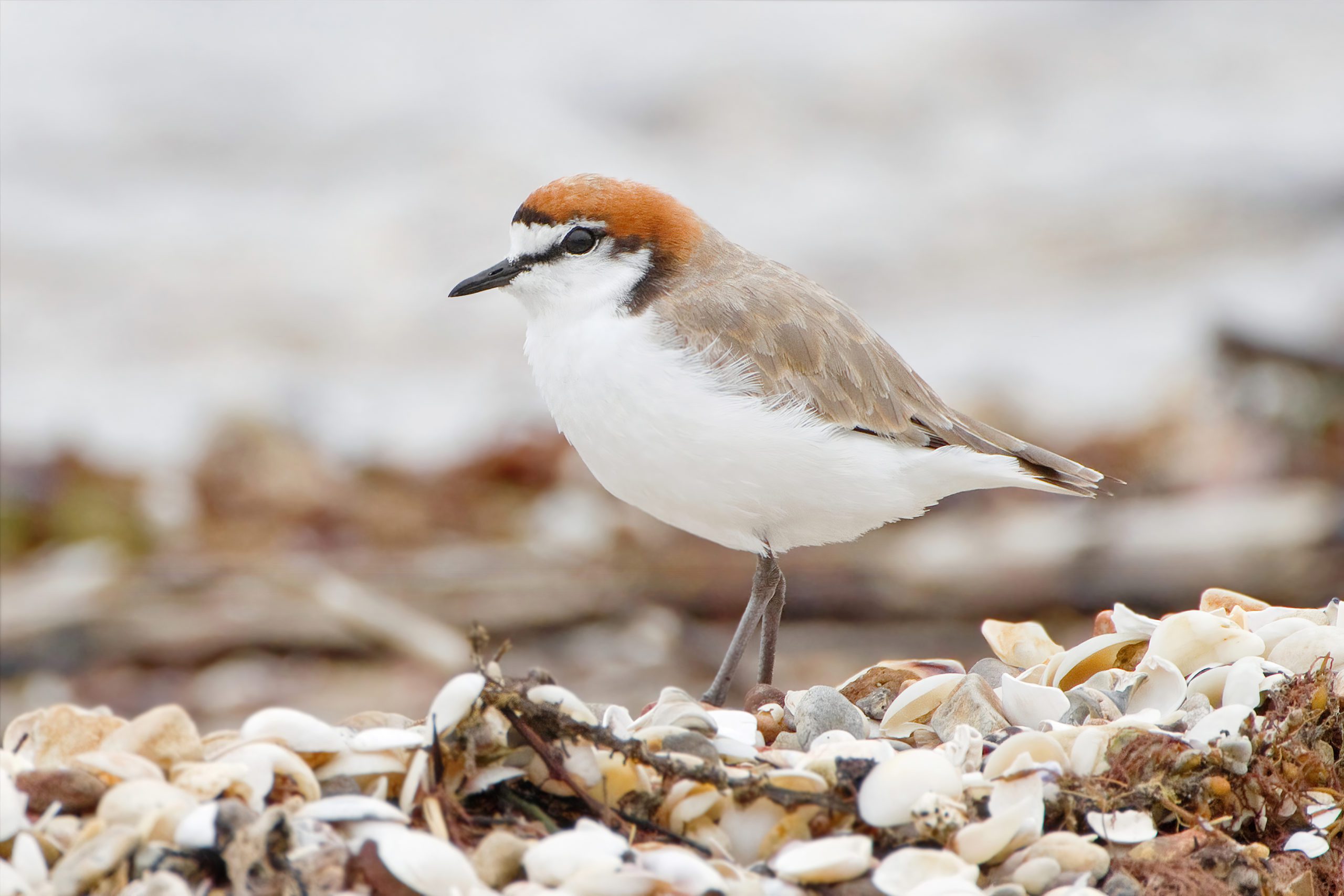
Red-capped Plover
Read more: Red-capped PloverScientific Name: (Charadrius ruficapillus)The Red-capped Plover is the most common and widespread of Australia’s beach-nesting shorebirds. They occur along virtually the entire Australian coastline.
-
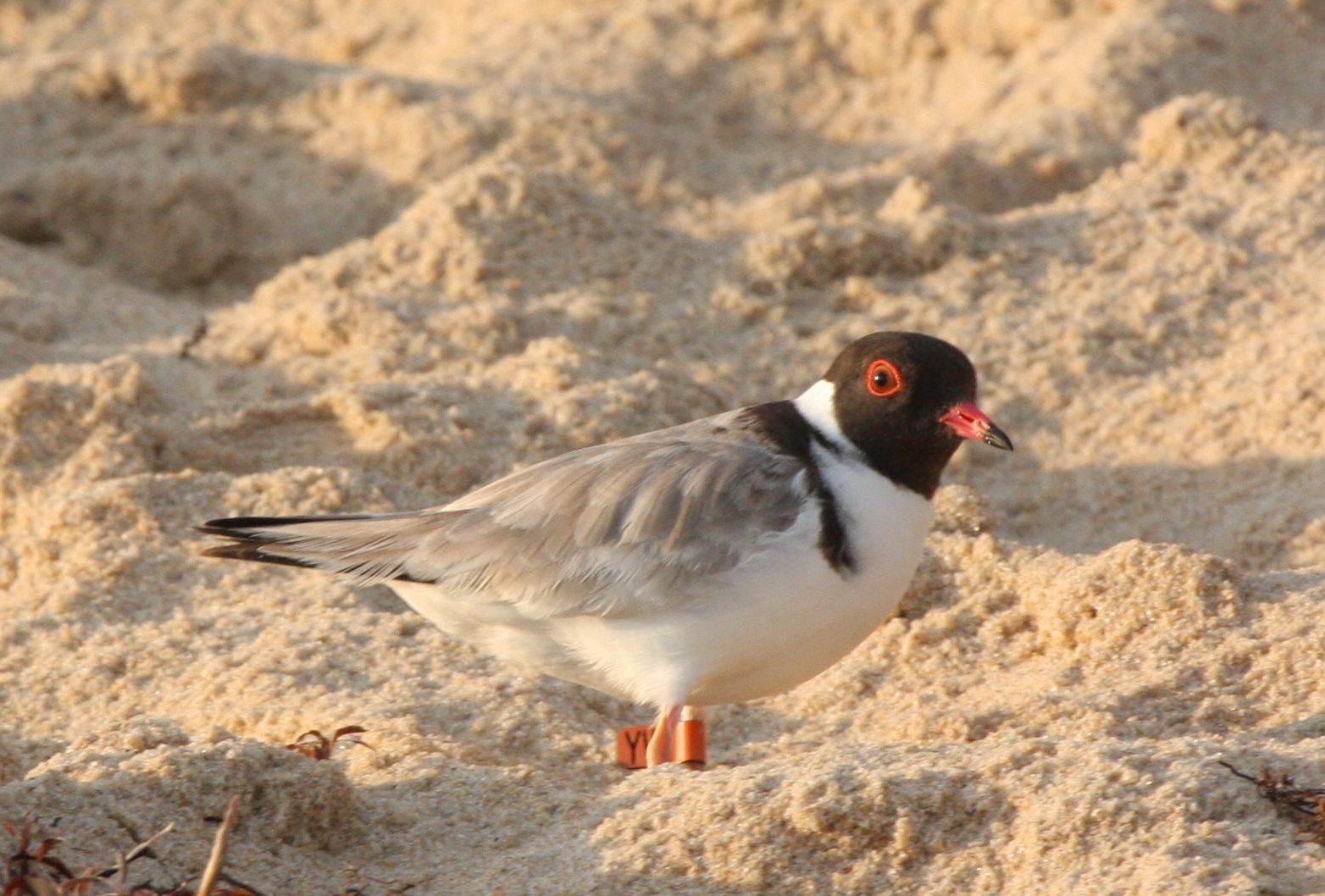
Hooded Plover
Read more: Hooded PloverScientific Name: (Thinornis rubricollis) In eastern Australia, the Hooded Plover inhabits sandy ocean beaches that are exposed to the constant might of the swell. There they pick tiny invertebrates from the sand near the water’s edge, and they lay their eggs in shallow scrapes in the sand, either on the upper beach or in adjacent…
-
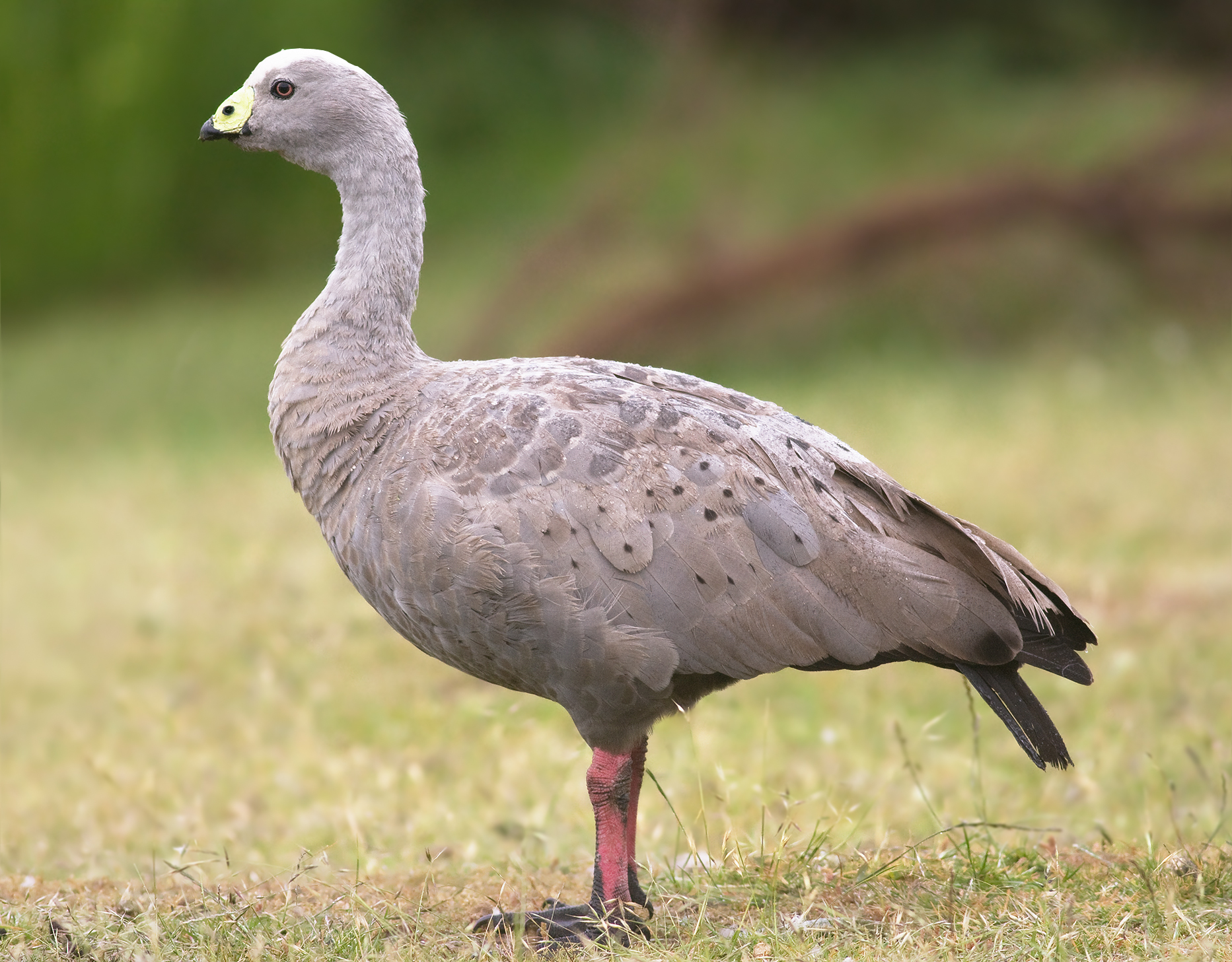
Cape Barren Goose
Read more: Cape Barren GooseThe Cape Barren Goose is about the same size as a domestic goose. It has pale grey plumage with black markings near the tips of its wing feathers and tail, pink legs and black feet. It has a striking bright greenish yellow cere on its short black bill. Males are somewhat larger than females. Scientific…
-
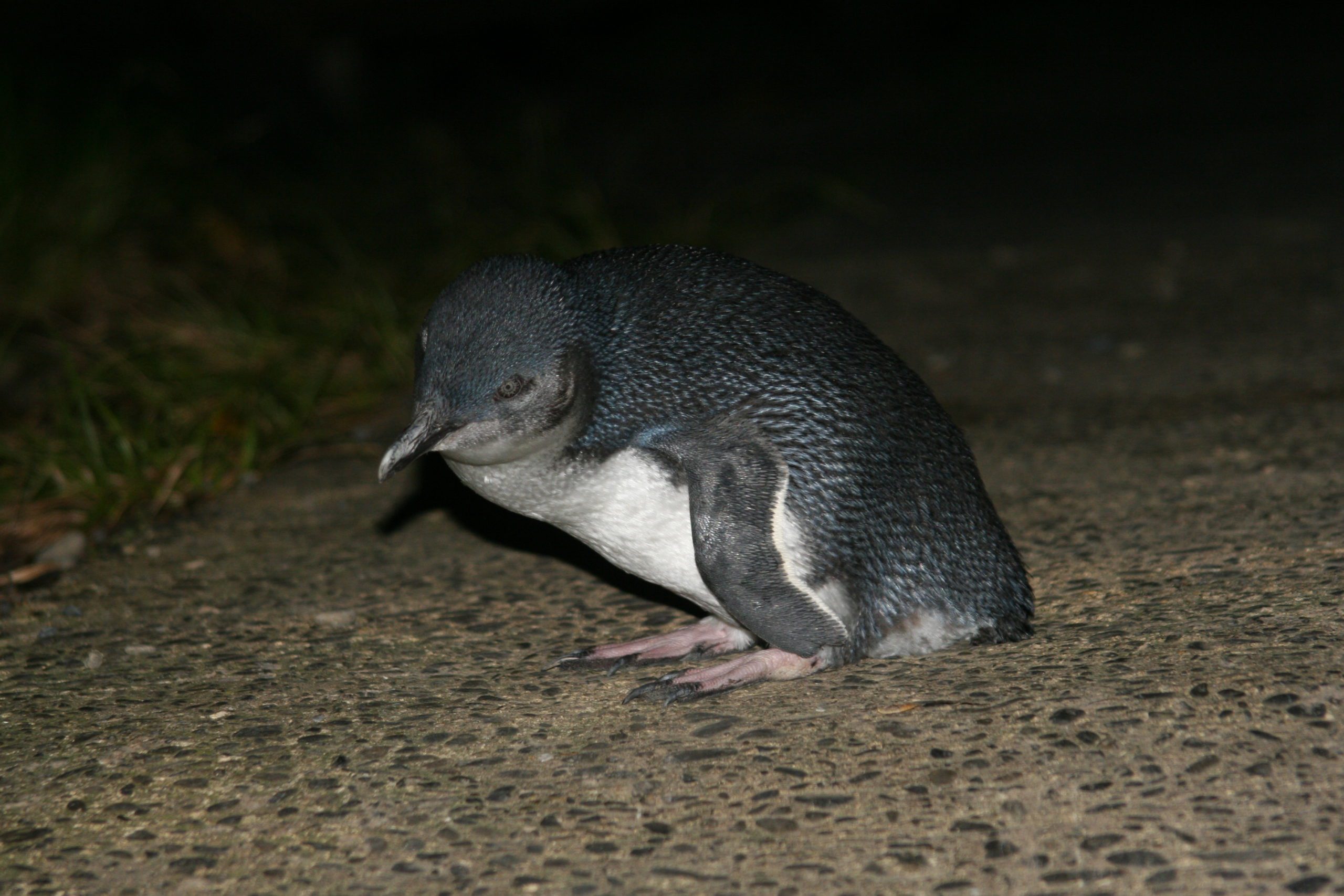
Little Penguin
Read more: Little PenguinThe Little Penguin is the smallest of the world’s 17 penguins and the only one which breeds in Australia. The male is a little larger than the female, although their plumage is similar. The head and upperparts are indigo in colour, with slate-grey ear coverts fading to white underneath, from the chin to the belly.…